

You have put time, effort, and money into building a lush, green lawn. Then suddenly, you notice brown patches spreading, grass pulling up easily, or areas that feel soft underfoot. It is frustrating, and it often leaves homeowners asking the same question: when to use grub control?
If this sounds familiar, you may be dealing with grubs beneath the surface. These pests can quietly damage your lawn before you even realize what is happening. The good news is that with the right timing and approach, you can stop them before they cause serious damage.
Let’s break down what grubs are, how to identify them, and most importantly, when to use grub control for the best results.
What Are Grubs and Why Do They Matter?
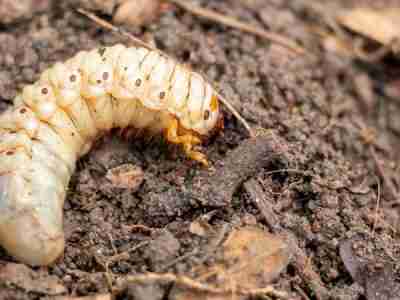
Grubs are the larval stage of certain beetles, including Japanese beetles, June bugs, and chafers. They live just below the surface of your lawn and feed on grassroots.
At first, the damage may not seem obvious. But as grub populations grow, they begin to weaken your lawn from below.
Here is why they are a problem:
- They destroy the root system that keeps your grass healthy
- They make your lawn more vulnerable to drought and heat stress
- They attract animals like raccoons and birds that dig up your yard looking for food
A few grubs are normal and usually harmless. But when populations rise, the damage can happen quickly.
How to Tell If You Have a Grub Problem
Before you decide when to use grub control, it is important to confirm that grubs are actually the issue.
You can check your lawn with a simple test:
- Dig up a small section of turf, about one foot wide and a couple of inches deep
- Look for white, C-shaped larvae just under the surface
- Count how many you find
As a general guideline:
- 0 to 5 grubs per square foot is usually not a concern
- 6 to 9 grubs may require monitoring
- 10 or more grubs means it is time to act
You may also notice signs like:
- Brown patches that do not improve with watering
- Grass that lifts easily like carpet
- Spongy or soft areas underfoot
- Increased animal activity digging in your yard
If you are seeing these signs, timing your grub control properly becomes very important.
When to Use Grub Control for the Best Results
Timing is everything when it comes to grub control. Applying treatment at the wrong time can reduce effectiveness and waste effort.
Late Summer to Early Fall Is the Ideal Window
The best time to treat grubs is typically late summer through early fall.
At this stage:
- Grubs are young and actively feeding
- They are closer to the surface
- Treatments can reach them more effectively
Applying grub control during this window helps stop damage before it gets worse and prevents grubs from maturing into adult beetles.
Spring Applications Have a Different Purpose
Spring is not the best time for treating active infestations, but it can still play a role.
In spring:
- Grubs are larger and harder to kill
- They are deeper in the soil
However, preventative treatments in spring can help reduce the next generation of grubs before they hatch.
Understanding this difference is key when deciding when to use grub control. Treatment and prevention are not always the same thing.
What Time of Day Should You Apply Grub Control?
Timing within the day also matters.
Grubs tend to move closer to the surface in the late afternoon and evening. This makes it the ideal time to apply treatment.
After applying grub control:
- Water your lawn thoroughly
- This helps move the product into the root zone where grubs are feeding
Proper application is just as important as timing.
Treatment Options: DIY vs Professional Help
When deciding when to use grub control, you also need to decide how you want to treat the problem.
DIY Grub Control
If you prefer to handle it yourself, there are effective products available.
For active infestations:
- Look for fast-acting treatments designed to kill existing grubs
For prevention:
- Use products that stop eggs from developing into larvae
Important tips:
- Always follow instructions carefully
- Apply evenly across the lawn
- Water thoroughly after application
DIY can work, but it requires attention to detail and proper timing.
Natural and Organic Options
If you are looking for a more natural approach, there are alternatives.
These include:
- Beneficial nematodes that target grubs in the soil
- Milky spore, which specifically affects Japanese beetle larvae
Natural methods can be effective, but they often take longer to produce noticeable results and may require repeated applications.
Professional Grub Control Services
For many homeowners, professional treatment offers the most reliable results.
Working with a lawn care provider like Think Green Lawn Service provides:
- Access to professional-grade products
- Precise application techniques
- Customized treatment plans based on your lawn
Professionals also understand soil types, grass varieties, and environmental conditions, which all play a role in how effective grub control will be.
Preventing Future Grub Problems
Even after you address an infestation, prevention is key.
A healthy lawn is your first line of defense.
Here are simple ways to reduce future grub activity:
- Keep your lawn properly fertilized
- Avoid cutting grass too short
- Water deeply but not excessively
- Aerate your lawn to improve soil health
- Reduce thatch buildup
Grubs prefer weak, stressed lawns. Strengthening your turf makes it less appealing and more resilient.
Common Mistakes to Avoid
Many homeowners struggle with grub control because of a few common mistakes.
Avoid these:
- Waiting too long to treat
- Applying treatments at the wrong time of year
- Skipping watering after application
- Treating without confirming grubs are present
Being proactive and informed makes a big difference in your results.
The Bottom Line: Timing Makes All the Difference
So, when should you act?
If you are asking when to use grub control, the answer depends on your goal.
- Late summer to early fall for active treatment
- Spring for prevention
- As soon as signs of damage appear for intervention
The earlier you address the problem, the easier it is to control.
Protect Your Lawn Before Damage Spreads
Grubs can do a lot of damage quickly, but they are also manageable when you take the right steps at the right time.
With proper timing, consistent lawn care, and the right treatment approach, you can protect your lawn and keep it looking healthy all season long.
Let Think Green Lawn Service Help
If you are unsure when to use grub control or want professional results, Think Green Lawn Service is here to help.
Our team can evaluate your lawn, identify grub activity, and create a customized plan to protect your turf from damage.
Call (678) 648-2556 today to schedule your service and keep your lawn healthy, strong, and grub-free.
 What’s the Best Weed Control for Lawn in Spring? A Pro-Approved Guide