

If your lawn has ever looked perfectly fine one month and completely stressed the next, grubs may be the hidden culprit. One of the most common questions homeowners ask is when to apply grub control, and the answer is not as simple as picking a date on the calendar.
Grub damage happens below the surface, often before you realize there is a problem. By the time grass starts turning brown or lifting easily from the soil, the damage is already underway. Knowing when to apply grub control and why timing matters can save your lawn from serious stress and costly repairs.
Let’s walk through how grubs work, what signs to watch for, and how proper timing protects your lawn all season long.
What Are Grubs and Why Are They a Problem?
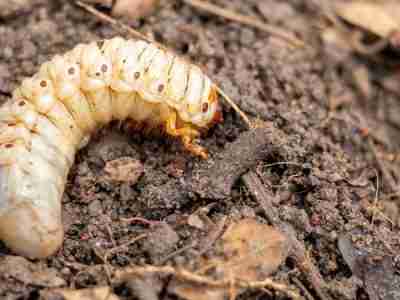
Grubs are the larval stage of beetles such as June beetles, Japanese beetles, and chafers. These C-shaped larvae live in the soil and feed on grass roots. That feeding cuts off water and nutrients, weakening or killing turf from the ground up.
A small number of grubs may not cause visible damage, but larger populations can quickly destroy healthy grass. Because they live underground, most homeowners do not notice them until damage becomes obvious.
Common Signs of a Grub Problem
Before deciding when to apply grub control, it helps to recognize the warning signs. Look for:
- Brown or yellow patches that do not improve with watering
- Grass that feels spongy underfoot
- Turf that pulls up easily like a loose carpet
- Increased activity from birds, skunks, raccoons, or armadillos
- Thinning grass despite proper fertilization
If wildlife is digging in your lawn, they are often searching for grubs. That damage can be just as destructive as the grubs themselves.
Understanding the Grub Life Cycle
Timing is everything when it comes to grub control. To understand when to apply grub control, you need to understand the grub life cycle.
- Adult beetles lay eggs in early to mid summer
- Eggs hatch into grubs in mid to late summer
- Young grubs feed aggressively on grass roots
- Grubs grow larger in fall, then move deeper into soil for winter
- They return to feed lightly in spring before becoming beetles
Grub control works best when grubs are small and actively feeding near the surface.
The Best Time to Apply Grub Control
The most effective answer to when to apply grub control depends on whether you are preventing grubs or treating an active infestation.
Preventive Grub Control
Preventive treatments are designed to stop grubs before they cause damage.
Best timing:
Late spring through early summer
Preventive products target eggs and newly hatched grubs. These treatments move into the soil and remain effective during peak egg hatch periods.
Why preventive timing matters:
- Targets grubs before root damage occurs
- Requires lower product strength
- Provides season-long protection
- Reduces the need for curative treatments later
If your lawn has had grub issues in past years, preventive control is strongly recommended.
Curative Grub Control
Curative treatments are used when grubs are already present and actively feeding.
Best timing:
Late summer through early fall
At this stage, grubs are larger and feeding aggressively. Curative treatments work faster but are more reactive.
Why curative treatments are less ideal:
- Damage may already be visible
- Stronger products are required
- Recovery can take time
- Turf may need reseeding or repair
Knowing when to apply grub control preventively helps avoid this scenario altogether.
Is Spring Too Late for Grub Control?
Spring treatments can still help, but results vary.
In spring, grubs are larger and may be deeper in the soil. Some products will reduce populations, but spring control is not as effective as summer preventive treatments.
Spring is best used to:
- Assess grub activity
- Repair damage
- Plan preventive treatments for the upcoming season
If you are seeing spring damage, professional evaluation is key.
How Grub Damage Affects Lawn Health Long Term
Grubs do more than create brown patches. Untreated infestations weaken lawns and create conditions for:
- Weed invasion
- Drought stress
- Poor nutrient absorption
- Increased disease risk
- Thin turf year after year
Applying grub control at the right time strengthens the lawn’s root system and improves overall resilience.
Watering and Grub Control Timing
Water plays an important role in grub treatment success.
- Preventive products need light watering to move into the soil
- Heavy rain immediately after application can reduce effectiveness
- Dry soil can prevent proper absorption
Professionals monitor weather conditions to ensure treatments work as intended.
Why DIY Grub Control Often Fails
Many homeowners apply grub products too late or choose the wrong type.
Common mistakes include:
- Treating after visible damage appears
- Using preventive products during curative windows
- Applying without watering correctly
- Guessing instead of inspecting
Understanding when to apply grub control correctly often requires soil inspection and experience.
The Professional Advantage
Professional lawn care services take the guesswork out of timing.
At Think Green Lawn Service, grub control programs are designed to:
- Match treatments to the grub life cycle
- Apply products at peak effectiveness windows
- Monitor lawns year after year
- Reduce unnecessary chemical use
- Protect beneficial soil organisms
This proactive approach helps homeowners avoid repeat infestations.
What to Do If You Are Unsure About Grubs
If you are unsure whether grubs are present, do not wait for visible damage.
A professional inspection can:
- Confirm grub activity
- Determine population levels
- Identify the correct treatment type
- Prevent unnecessary lawn stress
Early action makes a significant difference.
Bottom Line: When to Apply Grub Control Matters
Knowing when to apply grub control is one of the most important steps in protecting your lawn. Preventive treatments applied at the right time stop damage before it starts, while late treatments often mean recovery instead of prevention.
If you want a healthy lawn that resists pests, weeds, and stress, timing is everything.
Get Expert Help with Grub Control
Think Green Lawn Service provides professional grub control programs designed to protect lawns across the Southeast. Our team understands the life cycle of grubs and applies treatments at the most effective times for long-term results.
Call (844) 648-2556 today to schedule an evaluation and find out the best time to apply grub control for your lawn.
 Is Fertilizer With Weed Control Good for Your Lawn or Just a Convenient Shortcut?